Hypoallergenic dog food is formulated to minimise the ingredients most commonly associated with food sensitivities and allergic reactions in dogs. A limited-ingredient diet takes that further by reducing the total number of ingredients in a recipe, making it easier to identify what a sensitive dog is reacting to and what to avoid going forward.
In Singapore, certain breeds are more prone to food allergies and sensitivities than others. For these dogs, the composition of every meal matters more than it might for a dog with a more robust digestive system.
Signs Your Dog May Have a Food Allergy or Sensitivity
Food allergies and sensitivities rarely announce themselves clearly. The signs are often gradual and easy to attribute to other causes, which is why they are worth knowing.
- Persistent itching, especially around the face, paws, and ears
- Recurring skin irritation, redness, or hot spots
- Frequent or loose stools, or stools that vary significantly in consistency
- Excessive licking of the paws or legs
- Vomiting or nausea after meals
- Dull coat or dry, flaky skin that does not improve with grooming
If your dog is showing several of these signs consistently, a food sensitivity is worth investigating. Your vet is the right first stop before making any dietary changes.
How a Limited-Ingredient Diet Helps Identify Allergen Triggers
The principle behind a limited-ingredient diet is straightforward: the fewer ingredients in a recipe, the fewer potential triggers there are in every bowl. When a dog is reacting to something in their food but the exact cause is unclear, an elimination approach helps narrow it down. This means transitioning to a recipe with a single protein source and a single carbohydrate source, neither of which the dog has eaten regularly before, and monitoring the response over several weeks.
Novel proteins such as salmon, lamb, and turkey are commonly used in this approach because dogs with sensitivities have typically not been exposed to them in previous foods, which reduces the likelihood of a pre-existing reaction. A simplified, transparent ingredient list makes the process easier to manage, because every ingredient in the bowl is accounted for and every change is deliberate. Over time, ingredients can be reintroduced one at a time to identify the specific trigger, ideally with a vet guiding the process.
How to Choose the Best Hypoallergenic Dog Food for Your Dog in Singapore
Managing a dog’s food sensitivity is a process rather than a single decision, and the steps below give a practical framework for working through it systematically. A vet’s involvement at each stage makes the process more reliable and the outcome more useful.
Step 1: Identify Common Allergens Your Dog Reacts to
Start by noting when symptoms appear and what the dog has eaten in the lead-up. The most common food allergens in dogs include:
- Chicken: The most common protein allergen in dogs
- Beef: Frequently implicated in skin and digestive reactions
- Wheat and Corn: Common in standard kibble formulas and a known sensitivity trigger for some dogs
- Soy: Less common but worth noting if other allergens have been ruled out
- Dairy: Occasionally a factor, particularly in dogs with digestive sensitivity
Keeping a simple food diary over two to four weeks can help surface patterns before any dietary change is made.
Step 2: Choose a Single-Protein, Limited-Ingredient Formula
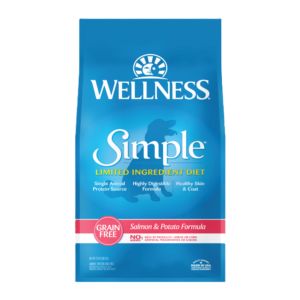
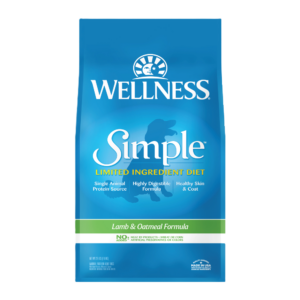
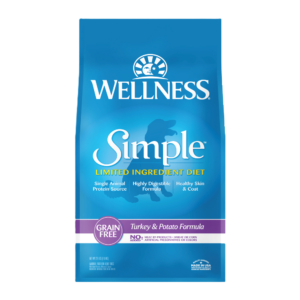
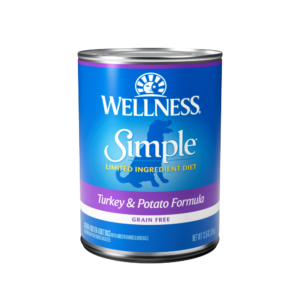
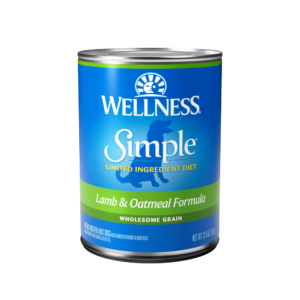
Once common food allergens have been identified or suspected, the next step is selecting a non-allergenic formula built around a novel protein your dog hasn’t regularly eaten before. Salmon, lamb, and turkey are the three novel protein options in the Wellness® SIMPLE range, each paired with a single carbohydrate source and no additional proteins that could obscure the result.
For dogs without a confirmed diagnosis, a single-protein, limited-ingredient formula with no chicken, wheat, or grains reduces the allergen load without requiring a prescription diet. For dogs with confirmed or suspected allergies, local vets in Singapore can recommend intradermal or blood allergy testing to give a more precise picture before a food change is made.
Step 3: Introduce the New Food Gradually
Switching food abruptly can cause digestive upset even in dogs without sensitivities, so a gradual transition over seven to ten days gives the gut time to adjust. Start by replacing around 25% of the current food with the new formula, increasing the proportion every two to three days until the transition is complete. Monitor stool consistency and skin condition throughout, and note any changes, positive or otherwise, in the feeding diary. If symptoms persist or worsen after the full transition, consult your vet before making further changes.